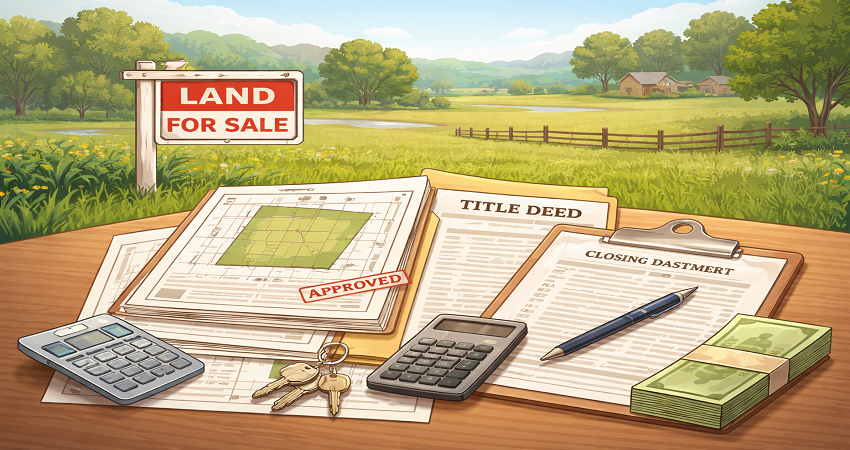
Buying land in New York can be an exciting yet complex process, especially for first-time buyers or investors unfamiliar with legal documentation. Whether you are planning to build your dream home, invest in real estate, or secure land for future use, understanding the required documents is crucial. Missing even a single essential document can delay your transaction or lead to legal complications.
New York has a well-regulated property system, but that also means buyers must carefully follow legal procedures and provide accurate documentation.
From identity verification to property deeds and financial records, every document plays a specific role in ensuring a safe and legally valid transaction. This guide will help you understand all the essential documents required to buy land in New York.
In this article, we will explore the most important documents, explain their purpose, and guide you step-by-step so you can confidently navigate the land-buying process without unnecessary risks.
Primary Identification Documents
One of the first requirements when buying land in New York is providing valid identification. Buyers must present government-issued identification such as a passport, driver’s license, or state ID. These documents are used to verify your identity and ensure that the transaction is legitimate.
In some cases, additional identification documents may be required, especially if the transaction involves large financial transfers. Proper identification helps prevent fraud and ensures compliance with state laws.
Proof of Funds or Financial Capability
Before purchasing land, buyers must demonstrate their financial ability to complete the transaction. This typically includes bank statements, proof of savings, or loan approval letters if financing is involved.
If you are taking a mortgage or loan, lenders will require additional documentation such as income proof, tax returns, and credit reports. This step ensures that the buyer is financially capable of completing the purchase without defaulting.
Purchase Agreement (Contract of Sale)
The purchase agreement, also known as the contract of sale, is a legally binding document between the buyer and seller. It outlines the terms and conditions of the transaction, including the purchase price, payment schedule, and closing date.
This document must be carefully reviewed, often with the help of a real estate attorney. Any errors or unclear terms in the contract can lead to disputes later, so clarity and accuracy are essential.
Title Report and Title Insurance
A title report is a critical document that confirms the legal ownership of the land. It ensures that the seller has the right to transfer ownership and that there are no outstanding claims, liens, or disputes on the property.
Title insurance is often recommended to protect the buyer against any future claims or legal issues related to the property’s title. This provides peace of mind and financial protection.
Property Deed
The property deed is one of the most important documents in a land transaction. It serves as legal proof of ownership and is transferred from the seller to the buyer during closing.
There are different types of deeds in New York, including warranty deeds and quitclaim deeds. A warranty deed offers the highest level of protection, as it guarantees that the seller has clear ownership of the property.
Survey Map or Land Survey Document
A land survey document provides detailed information about the property boundaries, dimensions, and physical features. This helps buyers understand exactly what they are purchasing and ensures there are no boundary disputes.
In many cases, lenders and title companies require an updated survey before approving the transaction. It is especially important for undeveloped land or properties with unclear boundaries.
Zoning and Land Use Documents
Zoning documents determine how the land can be used, whether for residential, commercial, agricultural, or industrial purposes. Buyers must verify zoning regulations to ensure the land meets their intended use.
Failing to check zoning restrictions can lead to major issues, such as being unable to build or develop the property as planned.
Tax Records and Property Tax Receipts
Buyers should review the property’s tax history and ensure that all taxes have been paid. Outstanding property taxes can become the responsibility of the new owner if not settled before closing.
Tax records also provide insight into the annual cost of owning the property, helping buyers plan their long-term expenses.
Environmental Reports (If Applicable)
For certain types of land, especially undeveloped or rural properties, environmental reports may be required. These reports check for issues such as soil contamination, flood risks, or protected land status.
Environmental due diligence helps buyers avoid future legal and financial problems related to land use restrictions or environmental hazards.
Closing Statement (Settlement Statement)
The closing statement outlines all financial aspects of the transaction, including the purchase price, taxes, fees, and other costs. Both the buyer and seller must review and agree to this document before finalizing the deal.
This document ensures transparency and provides a clear breakdown of all payments involved in the transaction.
Attorney Documents and Legal Representation
In New York, it is common practice to involve a real estate attorney in property transactions. Attorneys prepare, review, and finalize all legal documents, ensuring compliance with state laws.
Having an attorney helps protect your interests and reduces the risk of legal disputes during or after the transaction.
Mortgage Documents (If Financing is Used)
If you are financing the purchase, you will need to provide mortgage-related documents. These include loan agreements, promissory notes, and lender disclosures.
These documents outline your repayment obligations and the terms of the loan, making it essential to review them carefully before signing.
FAQs About Documents Required To Buy Land In New York
1. Why is a title report important when buying land in New York?
A title report confirms that the seller legally owns the property and has the right to sell it. It also reveals any existing liens, disputes, or legal claims. Without a clear title, the buyer may face ownership issues even after completing the purchase.
2. Do I need a lawyer to buy land in New York?
Yes, hiring a real estate attorney is highly recommended and often required in New York. Attorneys ensure that all documents are legally valid, review contracts, and protect your interests throughout the transaction process.
3. What is the difference between a deed and a title?
The title represents legal ownership of the property, while the deed is the physical document that transfers ownership from the seller to the buyer. Both are essential but serve different purposes in a property transaction.
4. Can I buy land without proof of funds?
No, proof of funds is a critical requirement. Sellers and lenders need assurance that you have the financial capacity to complete the purchase. Without it, your offer may not be accepted.
5. What happens if property taxes are unpaid?
If property taxes are unpaid, they can become the responsibility of the new owner. This is why it is important to verify tax records and ensure all dues are cleared before closing the deal.
6. Is a land survey necessary?
Yes, a land survey helps confirm property boundaries and prevents disputes with neighboring landowners. It is especially important for undeveloped land or properties with unclear boundaries.
7. What is title insurance and do I need it?
Title insurance protects you from future legal claims or disputes related to the property’s ownership. While not always mandatory, it is highly recommended for added security.
8. How do zoning laws affect land purchase?
Zoning laws determine how the land can be used. If the zoning does not match your intended use, you may face restrictions or need special permits, which can delay or complicate your plans.
9. What is included in the closing statement?
The closing statement includes all financial details of the transaction, such as purchase price, taxes, fees, and adjustments. It ensures transparency and helps both parties understand the total cost involved.
10. Are environmental reports always required?
Environmental reports are not always mandatory but are often required for certain types of land. They help identify potential risks such as contamination or flood zones, ensuring the property is safe for use.
Conclusion
Buying land in New York involves careful planning and a thorough understanding of the required documentation. From identity verification and financial proof to title reports and property deeds, each document plays a vital role in ensuring a smooth and legally secure transaction.
By preparing all necessary documents in advance and seeking professional guidance when needed, you can confidently navigate the process and make a safe investment in land ownership.