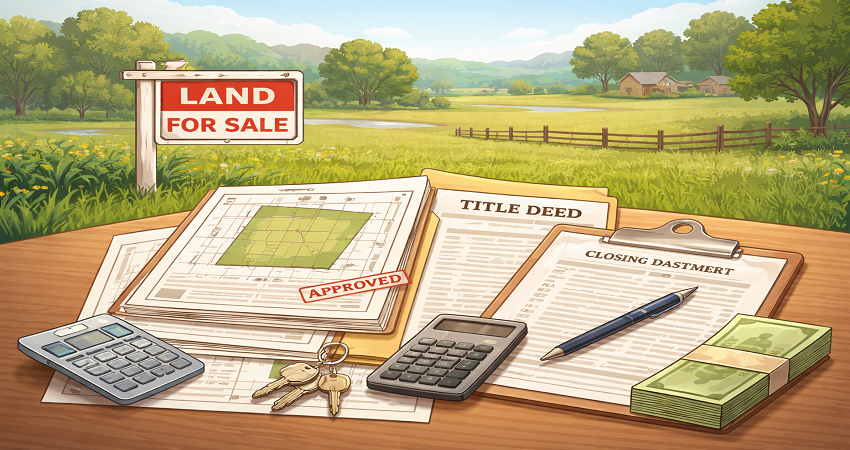
Buying land in Florida can be an exciting investment, whether you are planning to build your dream home, start a business, or simply hold property for future value appreciation. However, the process involves more than just finding the right plot and agreeing on a price.
One of the most important aspects of purchasing land is ensuring that all required documents are properly prepared, verified, and submitted.
Many buyers, especially first-timers, underestimate the importance of paperwork in real estate transactions. Missing or incorrect documents can lead to legal disputes, financial losses, or delays in ownership transfer. That is why understanding the essential documents required to buy land in Florida is crucial for a smooth and secure transaction.
In this guide, we will walk you through all the necessary paperwork, explain their importance, and help you avoid common mistakes. Whether you are a local buyer or an international investor, this article will serve as your complete documentation roadmap.
Primary Documents Required To Buy Land In Florida
When purchasing land in Florida, several core documents are required to complete the transaction legally. These documents ensure that ownership is transferred properly and that both parties are protected under the law. The most important documents include the purchase agreement, deed, title report, and closing statement.
Each of these plays a vital role in confirming ownership, outlining terms, and ensuring compliance with Florida property laws.
Purchase Agreement (Sales Contract)
The purchase agreement is the foundation of any real estate transaction. This legally binding contract outlines the terms and conditions agreed upon by the buyer and seller. It includes the purchase price, payment method, closing date, contingencies, and any special conditions.
This document protects both parties and ensures that expectations are clearly defined. Without a properly drafted agreement, disputes can easily arise during or after the transaction.
Property Deed
The property deed is the official document that transfers ownership of the land from the seller to the buyer. In Florida, the most common types of deeds include warranty deeds and quitclaim deeds.
A warranty deed provides greater protection, as it guarantees that the seller has clear ownership and the right to sell the property. The deed must be signed, notarized, and recorded with the county to make the transfer legally valid.
Title Search and Title Insurance
A title search is conducted to verify the legal ownership of the property and to ensure there are no outstanding liens, disputes, or claims. This process is crucial because it protects buyers from hidden legal issues.
Once the title is confirmed to be clear, buyers are often advised to purchase title insurance. This insurance provides financial protection in case any unexpected claims arise after the purchase.
Property Survey Report
A property survey report provides detailed information about the boundaries, dimensions, and physical features of the land. It helps buyers understand exactly what they are purchasing and ensures there are no encroachments or boundary disputes. While not always mandatory, a survey is highly recommended, especially for vacant land or large parcels.
Disclosure Documents
In Florida, sellers are required to disclose certain information about the property. This may include environmental hazards, zoning restrictions, or any known issues that could affect the property’s value or usability. These disclosures help buyers make informed decisions and avoid unexpected problems after the purchase.
Zoning and Land Use Documents
Zoning regulations determine how a piece of land can be used, whether for residential, commercial, agricultural, or industrial purposes. Buyers should review zoning documents carefully to ensure the land meets their intended use. Local county offices provide zoning information, and it is important to verify this before finalizing the purchase.
Environmental Reports
Environmental reports are particularly important when buying undeveloped land. These reports assess whether the land is affected by wetlands, flood zones, or contamination. In Florida, where environmental regulations are strict, failing to check these reports can lead to significant limitations on land use or costly remediation requirements.
Financing Documents (If Applicable)
If you are purchasing land through a loan, additional documents will be required. These include loan agreements, mortgage documents, and proof of financial capability. Lenders may also require appraisals and credit checks before approving financing. Ensuring all financial documents are in order can help avoid delays in closing.
Closing Statement (Settlement Statement)
The closing statement provides a detailed breakdown of all financial transactions involved in the purchase. It includes the purchase price, taxes, fees, and any adjustments. Both buyer and seller must review and sign this document during the closing process. It ensures transparency and confirms that all financial obligations have been met.
Proof of Identity and Legal Eligibility
Buyers must provide valid identification, such as a passport or driver’s license, to verify their identity. For international buyers, additional documentation may be required to comply with U.S. regulations. Ensuring proper identification helps prevent fraud and ensures that the transaction is legally recognized.
Common Mistakes To Avoid When Handling Documents
One of the most common mistakes buyers make is skipping the title search or not reviewing documents thoroughly. Rushing through paperwork without understanding the details can lead to serious legal and financial consequences.
Another mistake is failing to verify zoning regulations or environmental conditions, which can limit how the land can be used. Working with a qualified real estate attorney or agent can help minimize these risks.
Role of a Real Estate Attorney or Title Company
Hiring a real estate attorney or working with a title company can greatly simplify the documentation process. These professionals handle title searches, prepare legal documents, and ensure that all paperwork complies with Florida laws. They also oversee the closing process, making sure that funds and documents are properly exchanged.
Why Proper Documentation Matters?
Proper documentation is essential for protecting your investment. It ensures that you have clear ownership, reduces the risk of disputes, and provides legal proof of your rights.
Incomplete or incorrect paperwork can lead to delays, financial loss, or even loss of property ownership. Taking the time to understand and verify all documents is a critical step in the buying process.
FAQs About Documents Required To Buy Land In Florida
1. What is the most important document when buying land in Florida?
The purchase agreement is considered the most important document because it outlines all the terms and conditions of the transaction. It legally binds both parties and sets the framework for the entire process, including payment, timelines, and contingencies.
2. Is title insurance necessary for land purchase?
While not legally required, title insurance is highly recommended. It protects buyers from unexpected claims, liens, or ownership disputes that may arise after the purchase, providing peace of mind and financial security.
3. Can I buy land without a survey?
Technically, yes, but it is not advisable. A survey helps identify property boundaries and prevents disputes with neighbors. Without it, you may face issues related to encroachments or unclear boundaries.
4. What are zoning documents and why are they important?
Zoning documents define how land can be used. They are important because they ensure that your intended use of the property complies with local regulations, preventing future legal complications.
5. Do I need a real estate attorney to buy land in Florida?
Although not mandatory, hiring a real estate attorney is highly beneficial. They can review contracts, ensure legal compliance, and protect your interests throughout the transaction.
6. What happens if there is a lien on the property?
If a lien exists, it must be resolved before the property can be legally transferred. A title search will reveal any liens, allowing the buyer to address the issue before completing the purchase.
7. Are environmental reports required for all land purchases?
Environmental reports are not always required but are strongly recommended, especially for undeveloped land. They help identify potential issues such as contamination or flood risks that could impact property use.
8. What identification is required for buyers?
Buyers must provide valid identification, such as a government-issued ID or passport. This ensures legal compliance and helps prevent fraud during the transaction.
9. How long does the closing process take?
The closing process can take anywhere from a few weeks to a couple of months, depending on factors such as financing, title clearance, and document preparation.
10. Can foreign buyers purchase land in Florida?
Yes, foreign buyers can purchase land in Florida. However, they may need to provide additional documentation and comply with specific regulations, including tax reporting requirements.
Conclusion
Buying land in Florida requires careful attention to documentation to ensure a secure and legally sound transaction. From the purchase agreement to title insurance and environmental reports, each document plays a critical role in protecting your investment.
By understanding these requirements and working with experienced professionals, you can navigate the process with confidence and avoid costly mistakes. Proper preparation and due diligence are the keys to a successful land purchase in Florida.