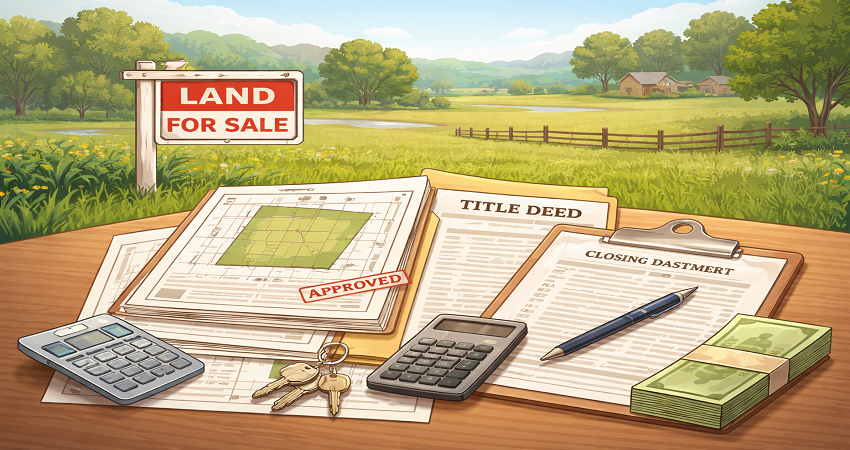
Buying land in Washington State can be an exciting investment opportunity, whether you are planning to build your dream home, start a business, or hold property for future value. However, the process involves more than just finding a suitable plot and making a payment. There are several legal, financial, and administrative requirements that must be fulfilled to ensure a smooth and secure transaction.
Understanding the documents required to buy land in Washington is essential for avoiding delays, legal complications, or unexpected costs. From title verification to permits and disclosure forms, each document plays a critical role in protecting both the buyer and the seller. Missing or incorrect paperwork can lead to disputes, fines, or even cancellation of the transaction.
In this comprehensive guide, we will walk you through all the necessary documents, permits, and forms required to purchase land in Washington.
This article is designed to help you stay informed, make confident decisions, and complete your land purchase without unnecessary stress.
Understanding Land Purchase Requirements in Washington
Before diving into specific documents, it is important to understand that land purchases in Washington are governed by state laws and local regulations. These rules ensure that land transactions are transparent, legal, and properly recorded. Buyers must verify ownership, confirm zoning regulations, and ensure the land is suitable for their intended use.
Purchase and Sale Agreement
The purchase and sale agreement is one of the most important documents in a land transaction. This legally binding contract outlines the terms and conditions agreed upon by both the buyer and seller. It includes details such as purchase price, payment terms, contingencies, and closing date. This agreement protects both parties and ensures that expectations are clearly defined.
Title Report and Title Insurance
A title report provides detailed information about the ownership history of the property. It confirms that the seller has the legal right to sell the land and identifies any liens, easements, or encumbrances attached to it. Title insurance is equally important, as it protects the buyer from future claims or disputes related to ownership.
Deed (Property Ownership Transfer Document)
The deed is the legal document used to transfer ownership of the land from the seller to the buyer. In Washington, a warranty deed is commonly used, which guarantees that the seller holds clear title to the property. Once signed and recorded, the deed officially establishes the buyer as the new owner.
Property Disclosure Statement
The property disclosure statement is a document provided by the seller that outlines known issues or defects related to the land. This may include environmental concerns, zoning restrictions, or access limitations. While land disclosures are generally less detailed than those for residential properties, they still play an important role in informing the buyer.
Zoning Verification Documents
Zoning laws determine how a piece of land can be used, whether for residential, commercial, agricultural, or industrial purposes. Buyers must obtain zoning verification documents from local authorities to ensure the land aligns with their intended use. Ignoring zoning regulations can lead to legal issues or denied building permits.
Land Survey and Boundary Documents
A land survey provides precise measurements and boundaries of the property. It helps identify property lines, easements, and potential encroachments. This document is crucial for avoiding disputes with neighboring landowners and ensuring accurate land use planning.
Environmental Reports and Permits
Depending on the location and intended use of the land, environmental assessments may be required. These reports evaluate factors such as soil condition, wetlands, flood zones, and contamination risks. In some cases, environmental permits may also be necessary before development can begin.
Building and Land Use Permits
If you plan to build on the land, you will need specific permits from local government agencies. These may include building permits, grading permits, and septic system approvals. Each permit ensures that construction complies with safety standards and environmental regulations.
Financing and Loan Documents
If you are purchasing land through financing, you will need to provide loan-related documents such as mortgage agreements, credit reports, and income verification. Lenders may also require additional documentation due to the higher risk associated with land purchases compared to residential properties.
Closing Documents and Settlement Statement
Closing documents finalize the land purchase transaction. The settlement statement provides a detailed breakdown of all costs, including purchase price, taxes, fees, and closing expenses. Both parties must review and sign these documents before the transaction is completed.
Recording Documents with County Office
After closing, the deed and other relevant documents must be recorded with the county recorder’s office. This step officially registers the transaction in public records and protects the buyer’s ownership rights.
Tax Documents and Property Assessment Records
Buyers should review property tax records to understand ongoing tax obligations. These documents provide information about assessed value, tax rates, and any outstanding dues. Staying informed about property taxes helps avoid future financial surprises.
Homeowners Association (HOA) Documents (If Applicable)
If the land is part of a community governed by a homeowners association, buyers must review HOA rules, fees, and restrictions. These documents outline what you can and cannot do with the property, making them essential for informed decision-making.
FAQs About Documents Required To Buy Land In Washington
1. What is the most important document when buying land in Washington?
The purchase and sale agreement is the most important document because it legally defines the terms of the transaction. It ensures both the buyer and seller understand their obligations, including payment terms, contingencies, and timelines. Without this agreement, the transaction lacks legal clarity.
2. Do I need a lawyer to buy land in Washington?
While it is not legally required, hiring a real estate attorney is highly recommended. A lawyer can review contracts, ensure compliance with state laws, and help resolve any legal issues that may arise during the process.
3. What is title insurance and why is it necessary?
Title insurance protects buyers from potential ownership disputes or claims against the property. It ensures that the title is clear and provides financial protection in case any issues arise after the purchase.
4. Are environmental permits always required?
Environmental permits are not always required, but they may be necessary depending on the land’s location and intended use. For example, building near wetlands or protected areas often requires additional approvals.
5. How do I verify zoning regulations?
You can verify zoning regulations by contacting your local planning or zoning department. They will provide official documents that outline permitted uses and restrictions for the property.
6. What happens if I skip a land survey?
Skipping a land survey can lead to boundary disputes, construction errors, and legal issues. A survey ensures you know the exact limits of your property and helps avoid conflicts with neighbors.
7. Can I buy land in Washington without financing?
Yes, you can purchase land with cash, which often simplifies the process. However, if you choose financing, you will need to provide additional documentation and meet lender requirements.
8. What is included in closing costs?
Closing costs typically include title fees, recording fees, escrow fees, taxes, and lender-related expenses. These costs vary depending on the transaction and location.
9. How long does the land buying process take?
The process can take anywhere from a few weeks to several months, depending on factors such as financing, inspections, and permit approvals. Proper documentation can help speed up the process.
10. Is property disclosure mandatory for land sales?
Yes, sellers are generally required to provide a disclosure statement outlining known issues with the property. This helps buyers make informed decisions and reduces the risk of disputes.
Conclusion
Buying land in Washington requires careful planning and thorough documentation. From legal agreements and title verification to permits and environmental assessments, each document plays a crucial role in ensuring a secure and successful transaction.
By understanding these requirements and preparing in advance, you can confidently navigate the land buying process and avoid common pitfalls. Always consider consulting professionals when needed to make the experience smooth and stress-free.