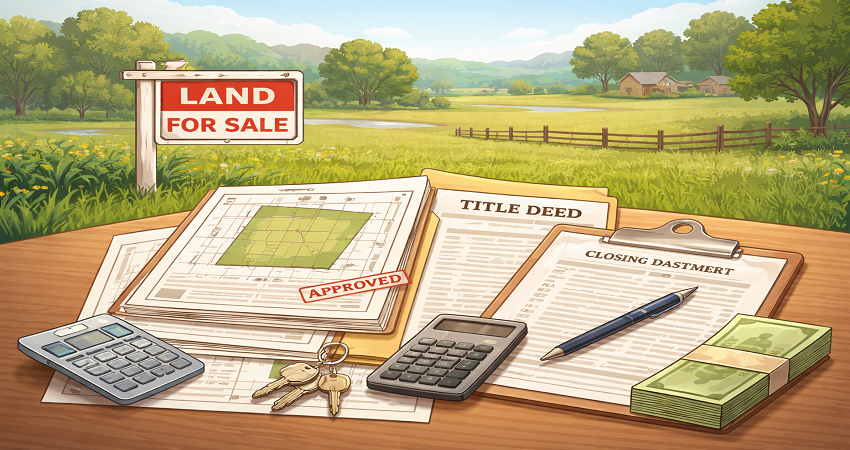
Buying property is a significant milestone, whether you are purchasing your first home, investing in real estate, or expanding your portfolio. In Washington State, the property registration process is designed to be transparent and structured, ensuring both buyers and sellers are protected. However, for many individuals, especially first-time buyers, the process can seem complex and overwhelming.
Understanding how property registration works in Washington can help you avoid costly mistakes, save time, and ensure a smooth transaction. From preparing the necessary documents to finalizing ownership through legal recording, each step plays a crucial role in establishing your rights as a property owner.
This guide provides a clear and easy-to-follow explanation of the official buyer’s pathway for property registration in Washington.
Whether you are a local buyer or an international investor, this article will walk you through everything you need to know in simple, practical terms.
Understanding Property Registration in Washington
Property registration in Washington refers to the legal process of transferring ownership from the seller to the buyer and officially recording that transfer with the county. This process ensures that the buyer becomes the recognized legal owner of the property. The system also helps maintain accurate public records, which are essential for verifying ownership and resolving disputes.
Unlike some countries, Washington does not use a centralized national registry. Instead, property records are maintained at the county level. This means the process may slightly vary depending on the county, but the core steps remain consistent across the state.
Key Documents Required for Property Registration
Before beginning the registration process, it is essential to gather all necessary documents. These documents serve as proof of the transaction and ensure that the ownership transfer is legally valid.
The most important document is the deed, which officially transfers ownership from the seller to the buyer. Common types include the warranty deed and quitclaim deed. Other required documents may include the purchase agreement, title insurance policy, and identification details of both parties.
In addition, you may need loan documents if you are financing the purchase through a mortgage. Ensuring all paperwork is complete and accurate will prevent delays in the registration process.
Conducting a Title Search
A title search is a critical step in the property buying process. It involves reviewing public records to confirm that the seller has the legal right to transfer ownership. This process also identifies any existing liens, unpaid taxes, or legal claims attached to the property.
In Washington, title companies usually handle this process. They provide a detailed report that outlines the property’s ownership history and highlights any potential issues. Addressing these issues before closing is essential to avoid future complications.
Importance of Title Insurance
Title insurance protects buyers from unforeseen issues related to property ownership. Even after a thorough title search, certain problems may not be immediately visible, such as undisclosed heirs or forged documents.
By purchasing title insurance, you safeguard your investment against these risks. Most lenders require title insurance as part of the mortgage process, but it is also highly recommended for cash buyers.
Signing the Purchase Agreement
The purchase agreement is a legally binding contract between the buyer and seller. It outlines the terms and conditions of the transaction, including the purchase price, closing date, and contingencies.
In Washington, this agreement must be carefully reviewed before signing. It often includes clauses related to inspections, financing, and repairs. Understanding these terms ensures that both parties are clear about their responsibilities.
Property Inspection and Appraisal
Before finalizing the purchase, buyers typically conduct a property inspection. This step helps identify any structural issues, safety concerns, or necessary repairs. A professional inspector provides a detailed report, allowing buyers to negotiate repairs or adjust the purchase price if needed.
If you are using a mortgage, the lender will require an appraisal to determine the property’s market value. This ensures that the loan amount aligns with the property’s worth.
Closing the Transaction
The closing process is the final step before property registration. During closing, all parties sign the necessary documents, and the buyer pays the remaining balance, including closing costs.
Closing costs in Washington may include escrow fees, title insurance, recording fees, and taxes. Once all payments are made and documents are signed, the transaction is considered complete.
Recording the Deed
After closing, the deed must be recorded with the county recorder’s office. This step officially registers the property in the buyer’s name and makes the transaction part of the public record.
Recording the deed is crucial because it establishes legal ownership and protects the buyer’s rights. Without this step, the transfer may not be recognized by law.
Understanding Property Taxes and Fees
Property ownership in Washington comes with certain financial responsibilities, including property taxes. These taxes are calculated based on the assessed value of the property and are used to fund local services such as schools and infrastructure.
Additionally, buyers may need to pay recording fees and transfer taxes during the registration process. Being aware of these costs helps you budget effectively and avoid surprises.
Role of Escrow in Property Registration
Escrow plays a vital role in ensuring a secure transaction. An escrow company acts as a neutral third party that holds funds and documents until all conditions of the sale are met.
In Washington, escrow companies handle tasks such as collecting payments, preparing documents, and coordinating with lenders and title companies. This process ensures that both the buyer and seller fulfill their obligations before the transaction is finalized.
Common Challenges and How to Avoid Them
While the property registration process in Washington is straightforward, certain challenges may arise. These include incomplete documentation, title issues, or delays in financing.
To avoid these problems, it is essential to work with experienced professionals, including real estate agents, title companies, and legal advisors. Staying organized and proactive can significantly reduce the risk of delays.
Tips for First-Time Buyers
First-time buyers often find the property registration process intimidating. However, with proper guidance, it can be a smooth experience.
Start by researching the market and understanding your budget. Work with trusted professionals and ask questions whenever you are unsure. Being informed and prepared will help you make confident decisions throughout the process.
FAQs About Easy Property Registration Process In Washington
1. What is the first step in registering property in Washington?
The first step is signing a purchase agreement with the seller. This legally binds both parties and outlines the terms of the transaction. After this, you can proceed with inspections, title search, and other necessary steps.
2. Is a title search mandatory?
While not legally mandatory, a title search is highly recommended and usually required by lenders. It ensures that the property has no legal issues or claims that could affect your ownership rights.
3. How long does the property registration process take?
The entire process typically takes 30 to 60 days, depending on factors such as financing, inspections, and document preparation. Delays may occur if there are title issues or incomplete paperwork.
4. What is the role of an escrow company?
An escrow company acts as a neutral intermediary that manages funds and documents. It ensures that all conditions of the sale are met before releasing payments and completing the transaction.
5. Do I need a lawyer for property registration?
Hiring a lawyer is not mandatory in Washington, but it can be beneficial. A legal professional can review contracts, explain complex terms, and help resolve any disputes that may arise.
6. What are closing costs?
Closing costs are fees associated with finalizing the property purchase. They may include escrow fees, title insurance, recording fees, and taxes. These costs typically range from 2% to 5% of the property price.
7. Can I buy property without title insurance?
Yes, but it is not advisable. Title insurance protects you from potential ownership disputes and hidden issues. Most lenders require it as part of the mortgage process.
8. What happens if the deed is not recorded?
If the deed is not recorded, your ownership may not be legally recognized. This can lead to disputes and complications in the future, making it essential to complete this step promptly.
9. Are property taxes included in the registration process?
Property taxes are not directly part of the registration process, but they are an ongoing responsibility for property owners. Some taxes may be prorated and paid during closing.
10. Can foreigners buy property in Washington?
Yes, foreigners can legally purchase property in Washington. However, they must follow the same registration process and may need additional documentation depending on their financial and legal status.
Conclusion
The property registration process in Washington is a well-structured system designed to protect both buyers and sellers. By understanding each step—from signing the purchase agreement to recording the deed—you can navigate the process with confidence and ease.
Whether you are a first-time buyer or an experienced investor, being informed and prepared is the key to a successful property transaction. With the right approach and professional guidance, you can complete your property registration smoothly and secure your ownership without unnecessary complications.